Algorithmic fairness
Optimal-transport methods that correct discrimination in predictive models, for one sensitive attribute or several at once, with statistical guarantees on what accuracy that costs.
ISFA, Université Claude Bernard Lyon 1 · R&D AI Lab, Milliman France
Associate Professor & AI Researcher
I am Associate Professor in AI and Actuarial Science at ISFA, Université Claude Bernard Lyon 1, and I lead the R&D AI Lab at Milliman France. My work sits at the intersection of statistical learning and trustworthy AI (fairness, interpretability, privacy), mostly applied to insurance and finance. I also teach at EPITA, Cnam and the Institut des Actuaires.
Currently
Research
Optimal-transport methods that correct discrimination in predictive models, for one sensitive attribute or several at once, with statistical guarantees on what accuracy that costs.
Pricing, scoring and mortality models that regulators and policyholders can actually scrutinise: interpretability, privacy and bias auditing on real actuarial portfolios.
A score is only useful if its numbers mean what they claim. Recalibrating predicted probabilities so that they match observed frequencies, and keeping them calibrated once a fairness correction has been applied on top.
Latent variable models, variational inference and MCMC, used both as a research tool for uncertainty quantification and as the backbone of the Bayesian machine learning course I teach.
Extracting structure from unstructured text: ESG concepts in corporate reporting, and retrieval-augmented systems for insurance and actuarial documents.
When labels are expensive, which ones should you buy? Sampling and labelling strategies that keep both cost and bias under control.
Publications
Journal of Machine Learning Research (JMLR)
Optimal fair classifiers under demographic parity for multi-class problems, with statistical guarantees on the fairness/accuracy trade-off.
AAAI 2024Covered by the Montreal AI Ethics Institute
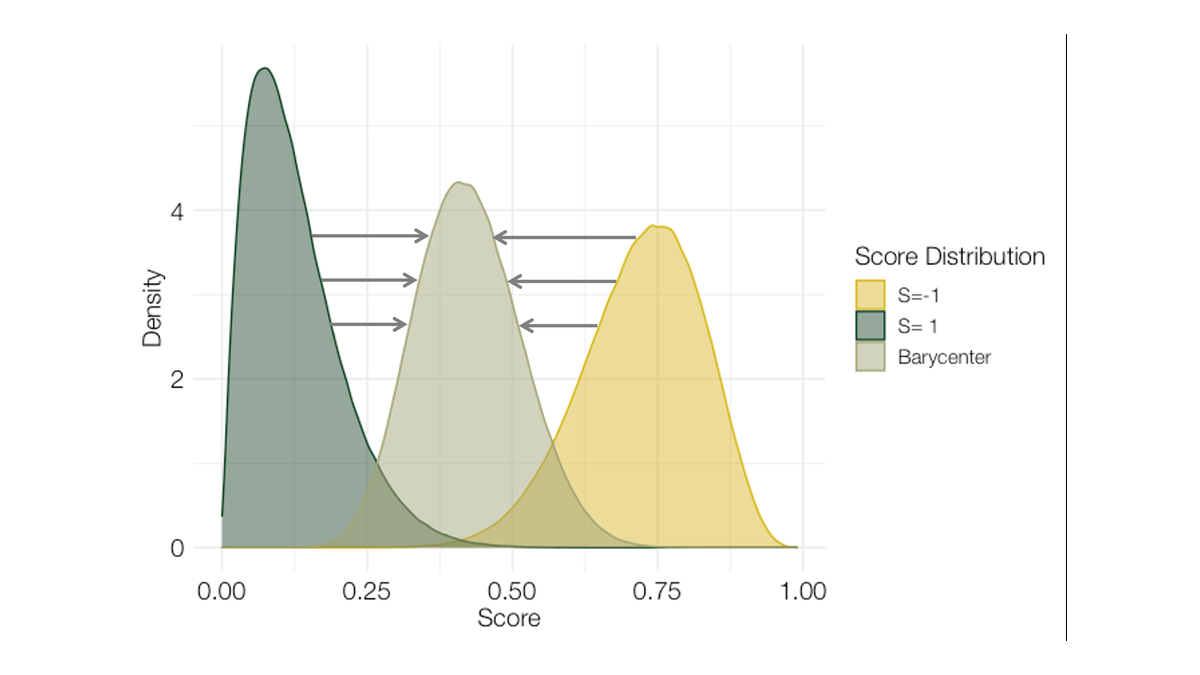
A sequential Wasserstein-barycenter approach that mitigates unfairness across several sensitive attributes at once, with an interpretable fairness path.
ECML-PKDD 2023, Research Track
Extends optimal-transport post-processing for demographic parity to simultaneous regression and binary classification tasks.
BIAS 2023
How optimal-transport fairness corrections behave on real insurance pricing data, and what they cost in premium accuracy.
PhD thesis, Institut Polytechnique de Paris (CREST-ENSAE)Awarded best actuarial thesis in France (SCOR Prize 2022)
A learning system for insurance that is accurate in prediction, cheap in labelling and ethical in transparency and fairness.
Writing
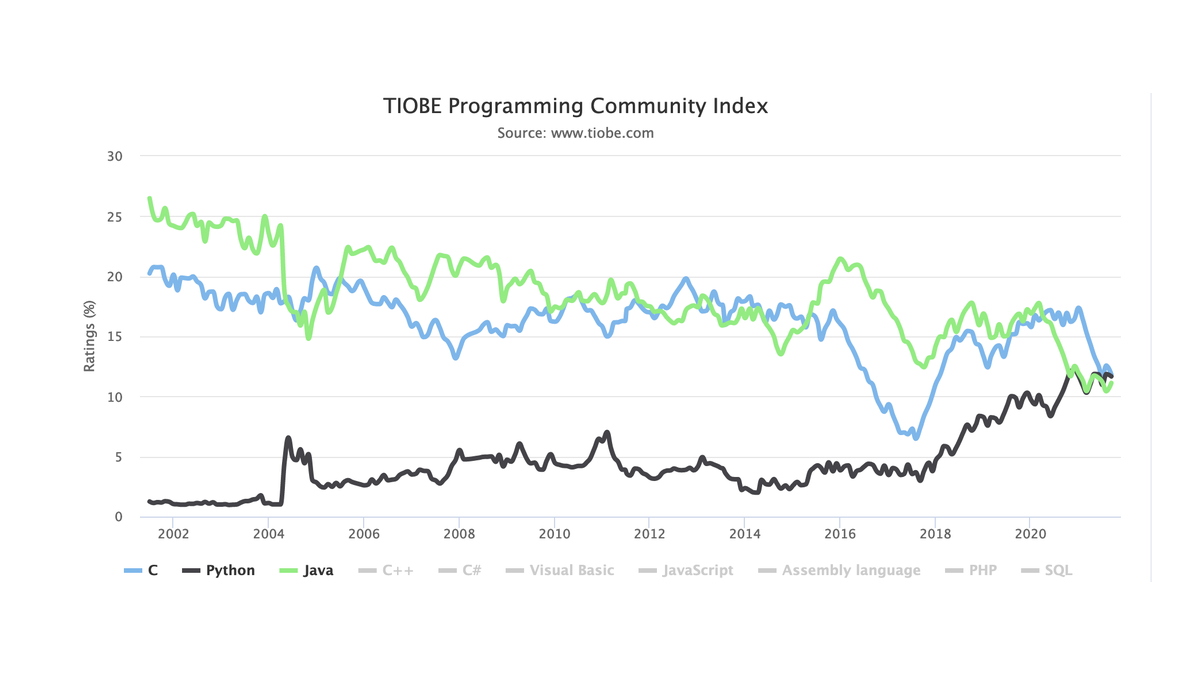
Where Python sits among programming languages, why it took over scientific computing, and what it costs you in return.
Most bias-correction methods handle one sensitive variable at a time. Real problems have several. It turns out the order you correct them in does not change ...
A generative AI hackathon with Milliman and Université Gustave Eiffel, where the assistant had to answer actuarial questions accurately, cheaply and with a s...
Projects
A Python package for post-processing fairness: it takes a trained model and returns a calibrated, fairer one, for a single sensitive attribute or several at once.
A Lancet review of how the research community predicts where Lyme disease vectors live and how many there are, and of the data gaps that keep those predictions from being trusted.
Teaching
EPITA
Institut des Actuaires
Cnam
ISFA, Université Claude Bernard Lyon 1
Happy to discuss collaborations on trustworthy AI, guest lectures or research internships. Email is the fastest way to reach me.